Procedures

Facial Aesthetic
Our facial aesthetic procedures are designed to enhance natural features, restore balance, and create a refreshed, harmonious appearance. From eyelid surgery and otoplasty to facelifts, midface rejuvenation, and jawline contouring, we offer tailored surgical solutions based on individual goals and anatomy. Every treatment prioritises subtle, natural-looking results that align with each patient’s unique facial structure.
Rhinoplasty
A rhinoplasty is a surgical procedure designed to reshape the nose, improving both its appearance and function. It can address concerns related to the nasal profile, tip shape, width, and airway, while maintaining harmony with the rest of the face. Modern rhinoplasty focuses on structural refinement and support, rather than simply removing tissue, to achieve a natural and long-lasting result.
Eyelid Surgery (Blepharoplasty)
Blepharoplasty, also known as eyelid surgery, is a procedure that rejuvenates the eyelids by removing or repositioning excess skin, muscle, or fat. It can be performed on the upper eyelids, lower eyelids, or both, and is one of the most common facial rejuvenation and cosmetic eyelid surgery procedures in Brisbane. The goal is to restore a fresher, less tired appearance while maintaining the natural position and function of the eyelids.
Ear Surgery (Otoplasty)
An otoplasty is a procedure designed to reshape ears to improve their appearance and position. It is commonly performed in Brisbane to correct prominent ears, where the ears stick out more than usual, but it can also address differences in ear shape, folds that did not form properly, or deformities from injury.
Face and Neck Lift
A facelift and neck lift are surgical procedures designed to rejuvenate the lower face and neck by lifting and repositioning deeper tissues, tightening loose skin, and restoring a more defined jawline and neck contour. These procedures address sagging in the cheeks, jowls, and neck, banding of the neck muscles, and excess skin. Modern facelifts focus on moving the deeper supporting layers of the face rather than simply tightening the skin. This creates a natural, long-lasting result without a stretched or overly pulled appearance of the skin, more common in older techniques.
Midface Lift and Augmentation
A midface lift and midface implant augmentation are procedures designed to restore or enhance cheek volume, improve lower eyelid support, and correct age- or anatomy-related midfacial flattening. A midface lift elevates the descended soft tissues of the cheeks to restore fullness, improve lower eyelid hollowing and tear-troughs, and create a more youthful cheek contour. In this technique, a small incision is placed hidden within the hair at the temple. Through this access point, the midface tissues are released and resuspended using sutures to lift the cheek fat pads back to their natural, higher position. This helps smooth the lower eyelid-cheek junction and increases fullness in the malar region.
Chin and Jawline Surgery (Genioplasty and Mandibular Contouring)
Genioplasty and jawline surgery are procedures designed to improve the balance, projection, and definition of the lower face. They can enhance facial proportions, create a more harmonious profile, and address functional issues such as malocclusion when combined with orthognathic (upper or lower jaw) surgery. These operations can involve modifying the bone (osseous surgery) or using implants (alloplastic augmentation). Jawline surgery can target the chin, jaw angles, or the entire lower face, depending on patient's goals and underlying anatomy.
Other Aesthetic Facial Procedures
Other aesthetic facial procedures include a range of targeted operations designed to refine facial balance, contour, and proportion. These procedures are often more focused than larger facial operations and may be performed alone or combined with other surgery.
Paediatric & Craniofacial
Our paediatric and craniofacial care focuses on the diagnosis, treatment, and long-term support of children with congenital and acquired conditions. We provide specialist management for cleft lip and palate, craniosynostosis, vascular anomalies, and a range of developmental or traumatic craniofacial differences. Our approach combines advanced surgical expertise with compassionate, family-centred care to support each child’s growth, function, and wellbeing.
Cleft Lip and Palate
A cleft lip and/or palate is a congenital condition that occurs when the lip or the two halves of the palate (roof of the mouth) do not join properly during early pregnancy. This may affect one side of the face (unilateral) or both sides (bilateral). Clefts occur in around 1 in every 600 to 800 babies. Surgery is needed in infancy to close the cleft and support feeding, speech development, and normal growth of the face and jaws. Many children with a cleft lip and/or palate will also need ongoing care throughout childhood, adolescence, and sometimes adulthood. This may include help with speech, dental and orthodontic support, and monitoring of hearing. Care is best provided by a multidisciplinary cleft team, usually including paediatricians, plastic surgeons, speech pathologists, dentists, orthodontists, otorhinolaryngologists (ENT specialists), and psychologists. As a child grows, additional surgeries may be required, such as alveolar bone grafting, speech surgery, orthognathic surgery (corrective jaw surgery), or refinement of the lip and nose.
Craniosynostosis
Craniosynostosis is a condition in which one or more of the fibrous joints between the skull bones (cranial sutures) fuse too early, often before or at birth. These sutures normally allow the skull to expand as the brain grows. When a suture fuses prematurely, the skull can no longer grow normally in that area, leading to an abnormal head shape. In some cases, the restricted skull growth can increase pressure inside the skull.
Other Craniofacial Conditions
Children born with craniofacial differences may have changes in the bones and soft tissues of the face, eyes, ears, and jaws. These conditions vary widely in severity, but many can be improved with reconstructive surgery. Care is best planned through a multidisciplinary team (MDT), as many children require coordinated treatment from plastic surgeons, otorhinolaryngologists, maxillofacial surgeons, ophthalmologists, speech therapists, dentists, and orthodontists. At the Queensland Children’s Hospital, a dedicated craniofacial multidisciplinary clinic provides coordinated assessment. While children can also be seen and treated privately, it is still valuable to have an MDT review at the Queensland Children’s Hospital.
Paediatric Skin Conditions
Skin lumps and bumps are very common in children, and the vast majority are completely benign (non-cancerous). Many are present from birth, while others develop over childhood. Plastic surgeons are often involved when a lesion is growing, causing symptoms, affecting appearance, or when removal is recommended for diagnosis. Surgical treatment usually involves simple excision under a short general anaesthetic, often as a day procedure with minimal downtime.
Vascular Anomalies
Vascular anomalies are conditions involving abnormal development of blood vessels or lymphatic vessels. Many are visible at birth or during the first year of life, although some only become noticeable later when they grow, change colour, cause pain, or interfere with function. Most vascular anomalies are benign, but some can be complex and require ongoing care. Early assessment and the correct diagnosis is essential so children receive the right treatment at the right time.
Skin Cancer
We offer comprehensive assessment and treatment for all forms of skin cancer, including BCC, SCC, melanoma, and rare soft tissue malignancies. Using evidence-based surgical techniques, we deliver precise, tailored care for optimal outcomes. Our service integrates diagnosis, surgery, and ongoing management to support patients at every stage of their skin cancer journey.
Types of Skin Cancer
Skin cancer is the most commonly diagnosed cancer in Australia and New Zealand, which together have the highest incidence rates globally due to intense ambient ultraviolet radiation. The three major types are basal cell carcinoma, squamous cell carcinoma and melanoma, and these account for most cases. Prolonged and repeated sun exposure is strongly linked to an increased risk of developing skin cancer. Early detection and timely treatment offer the best chance of cure and often allow for smaller and simpler procedures.
Skin Grafts
A skin graft is a thin piece of healthy skin taken from one part of the body and used to cover a wound that cannot be closed with stitches alone and is a frequent means of reconstructing skin cancer defects. This helps the area heal more quickly and reduces the risk of poor scarring and contracture. The two main types are split-thickness grafts and full-thickness grafts. Skin grafts are a reliable way to support healing and restore both function and appearance.
Local Flaps
A local skin flap is a method of reconstructing a wound using skin and the tissue just beneath it from an area right next to the defect. Unlike a skin graft, the flap keeps its own blood supply and remains connected to nearby tissue as it is moved into place. This allows for a reliable reconstruction that blends naturally with the surrounding skin.
Reconstructive
Our reconstructive surgery services restore form and function following injury, cancer treatment, congenital conditions, or other complex wounds. We provide expertise in soft-tissue reconstruction, limb and trunk repair, and advanced techniques such as lymphoedema surgery. With a focus on personalised care, we work to rebuild confidence, comfort, and quality of life through thoughtful, evidence-based surgical solutions.
Complex Wound and Defect Reconstruction
Free flap reconstruction is an advanced surgical technique used to rebuild areas of the body where there has been major tissue loss due to trauma, cancer removal, infection, or radiation damage. In this procedure, tissue such as skin, fat, fascia, muscle, or bone is taken from one area of the body and transferred to another. Unlike a skin graft, the tissue is fully detached and then reconnected at the new site using microsurgery, which involves joining tiny arteries and veins under a microscope. Once these blood vessels are reconnected and blood flow is restored, the flap becomes living, healthy tissue in its new location.
Lymphoedema Surgery
Lymphoedema is a chronic condition where swelling develops because the body’s lymphatic system is not able to drain fluid properly. The lymphatic system is a vital part of the immune system and circulatory system. It helps clear extra fluid, waste products, and proteins from tissues and returns them to the bloodstream. When this system becomes blocked, damaged, or underdeveloped, fluid builds up in the tissues. This causes swelling, heaviness, tightness, and sometimes changes in the skin.
Follow us on Instagram










.PNG)
Consulting at Terrace Plastic Surgery
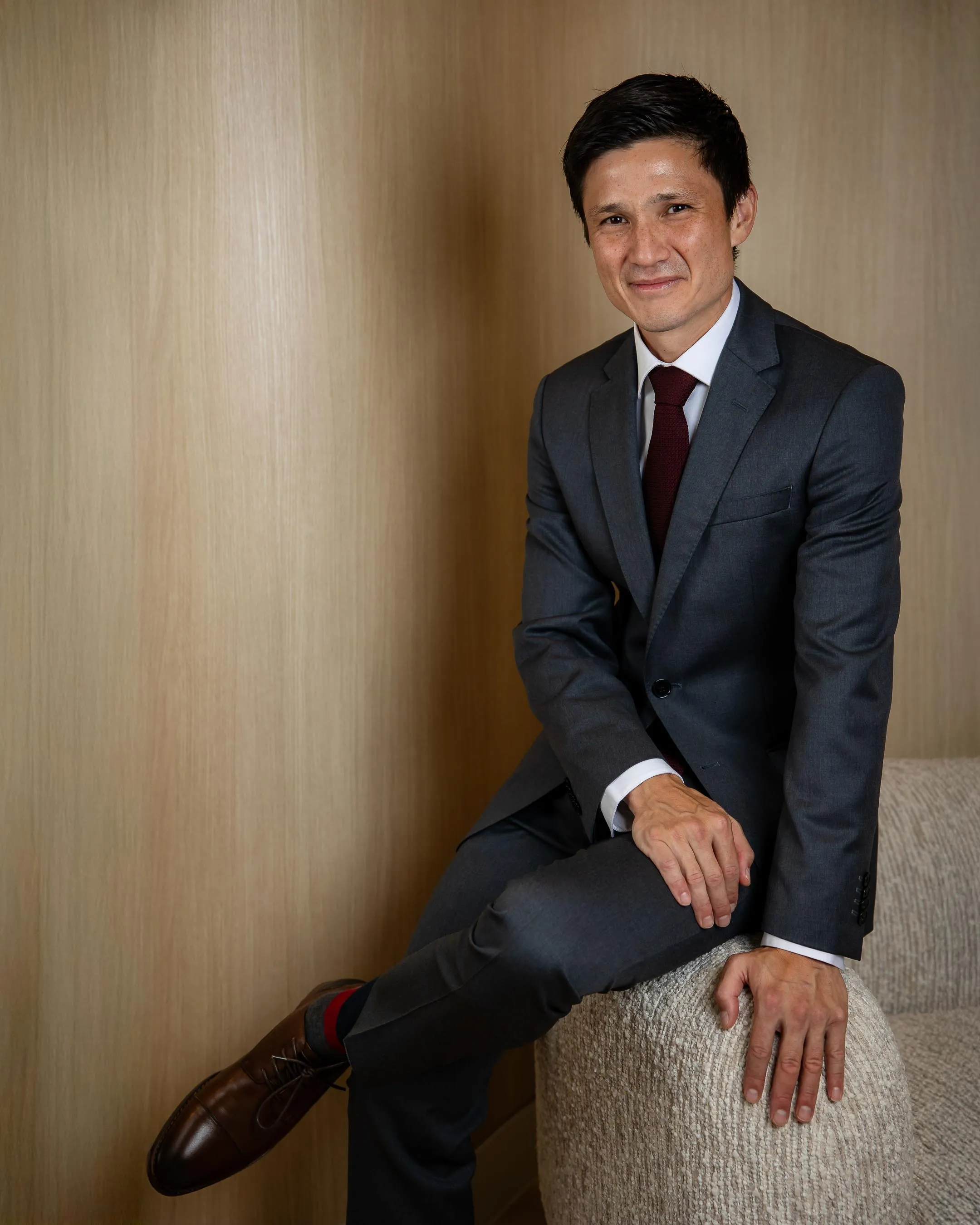
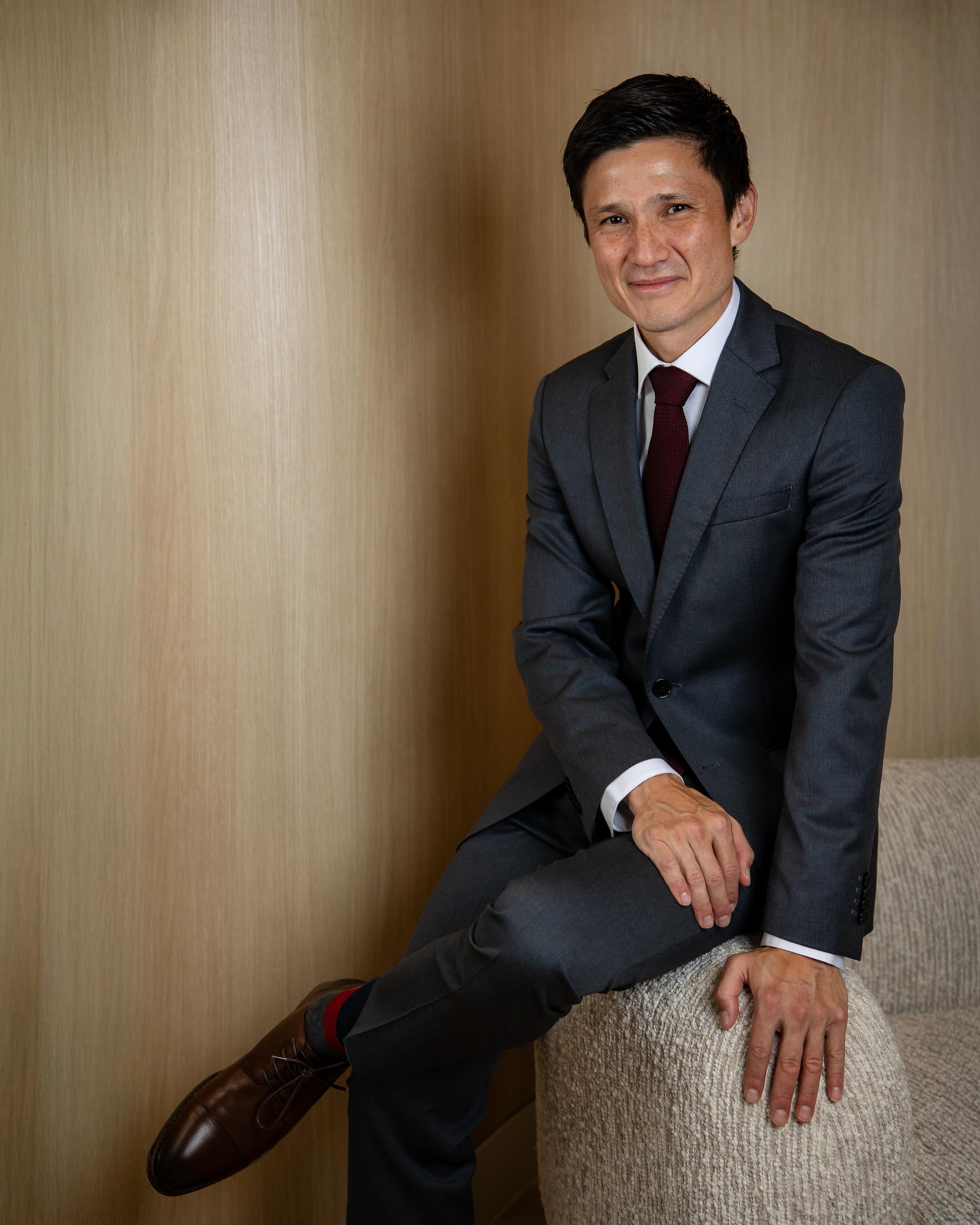
Dr Yun Phua consults at Terrace Plastic Surgery in the Watkins Medical Centre, Wickham Terrace, Spring Hill. He performs surgery at the Brisbane Private Hospital, Mater Private Hospital and St Andrew’s War Memorial Hospital.