
Preservation Rhinoplasty
Preservation rhinoplasty is an advanced technique within facial aesthetic surgery that focuses on refining the shape of the nose while maintaining its natural structure. This approach to rhinoplasty aims to achieve subtle, balanced results by working with the nose’s existing anatomy rather than removing and rebuilding it. By preserving key nasal structures, preservation rhinoplasty is designed to enhance facial harmony while maintaining long-term strength and stability of the nose.
What Does Dorsal Preservation Rhinoplasty Involve?
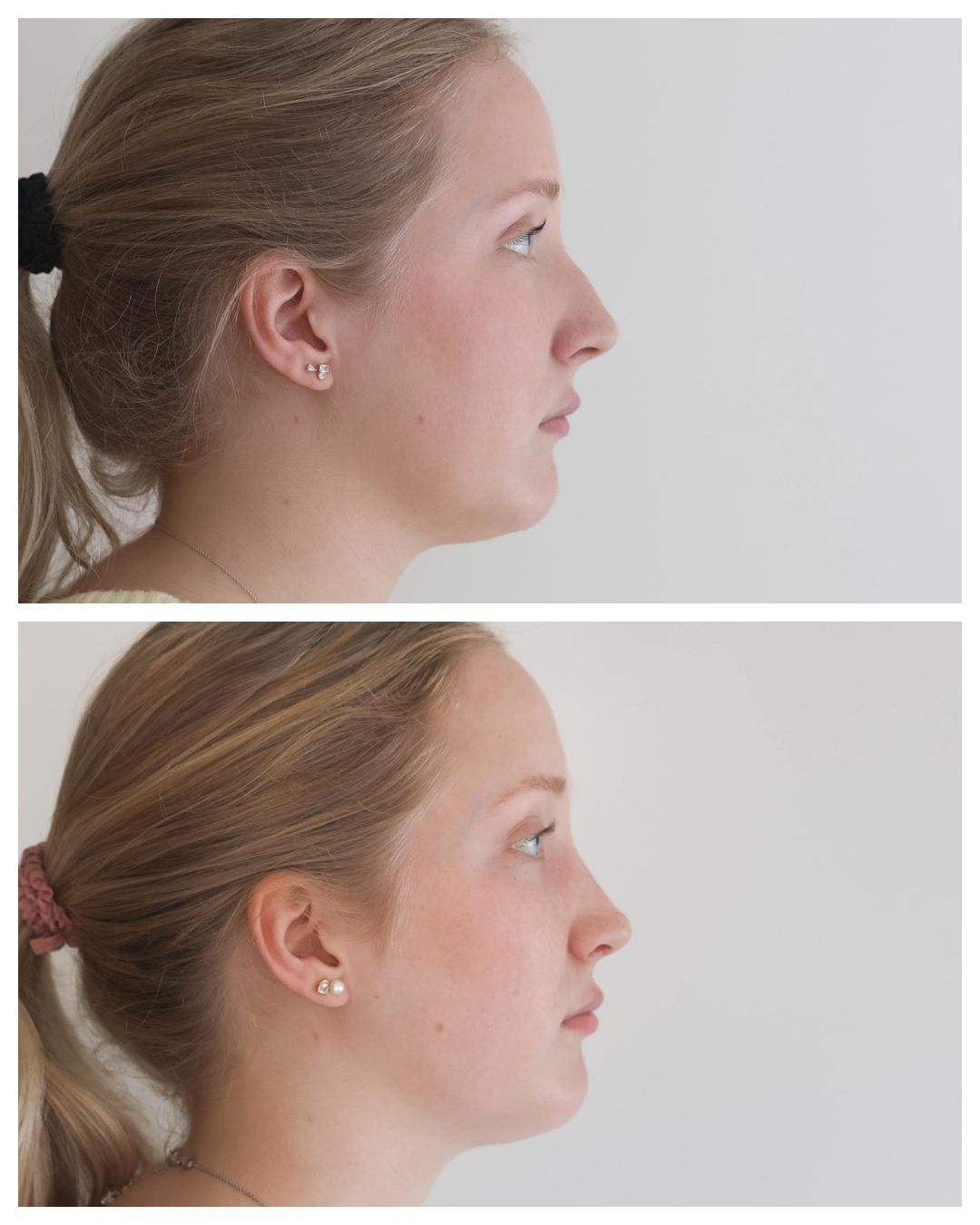
In preservation or dorsal preservation rhinoplasty, the natural nasal bridge, known as the dorsum, is maintained rather than removed. Traditional rhinoplasty techniques often involve shaving down a dorsal hump and reconstructing the bridge. In contrast, dorsal preservation rhinoplasty repositions the underlying nasal framework so the bridge sits lower while retaining its smooth, continuous contour. This technique allows the nose to be refined without disrupting its natural lines.By maintaining the integrity of the nasal dorsum, preservation rhinoplasty can reduce the risk of long-term irregularities and provide a more natural result.
Who Is Preservation Rhinoplasty Suitable For?
Preservation rhinoplasty is most suitable for patients seeking rhinoplasty in Brisbane who wish to reduce or soften a dorsal hump while maintaining the overall character of their nose. It is commonly considered for patients with relatively straight nasal anatomy and is most often performed as a primary, or first-time, rhinoplasty. Not all patients are suitable candidates for preservation techniques, particularly in cases of complex nasal asymmetry or previous nasal surgery. A detailed consultation is essential to assess nasal structure, breathing function, and individual aesthetic goals before determining whether preservation rhinoplasty is appropriate.
Advantages Over Standard Rhinoplasty
Compared with traditional rhinoplasty, preservation rhinoplasty may offer several advantages.By maintaining the nose’s natural support structures, the technique can result in more natural-looking outcomes and improved long-term stability. Many patients experience less disruption to nasal tissues, which may translate to reduced swelling and bruising during recovery. Preserving the nasal anatomy rather than reconstructing it can also lower the risk of dorsal irregularities and structural weakening over time, making preservation rhinoplasty an appealing option for patients seeking subtle, refined changes through facial aesthetic surgery.
The Role of Piezosurgery in Preservation Rhinoplasty
Preservation rhinoplasty is often performed using piezoelectric surgery, commonly referred to as piezosurgery. This technology uses ultrasonic vibrations to precisely cut and shape nasal bone while minimising trauma to surrounding soft tissues, blood vessels, and nerves. The precision offered by piezosurgery allows for controlled bone reshaping with greater accuracy than traditional instruments.For patients undergoing rhinoplasty, this can result in reduced bruising and swelling, improved surgical control, and more predictable outcomes.
An Individualised Approach to Rhinoplasty
Preservation rhinoplasty is not a one-size-fits-all procedure. The choice between preservation and traditional rhinoplasty depends on individual nasal anatomy, functional considerations such as breathing, and overall aesthetic goals. A comprehensive assessment is required before recommending the most appropriate surgical approach. When appropriately selected, preservation rhinoplasty can offer natural, balanced results that complement the face while maintaining the structural integrity of the nose.